
Guide · SBB Group procurement team · 2026-11-01
How copper slag is evaluated: copper content, moisture and recovery
Copper slag is evaluated mainly on its residual copper content measured on a dry basis. A buyer also looks at whether copper is present as metallic prills or oxide, how much moisture the slag holds, its iron and silica content, and how large and consistent the lot is. Price per tonne follows from these, not the other way round.
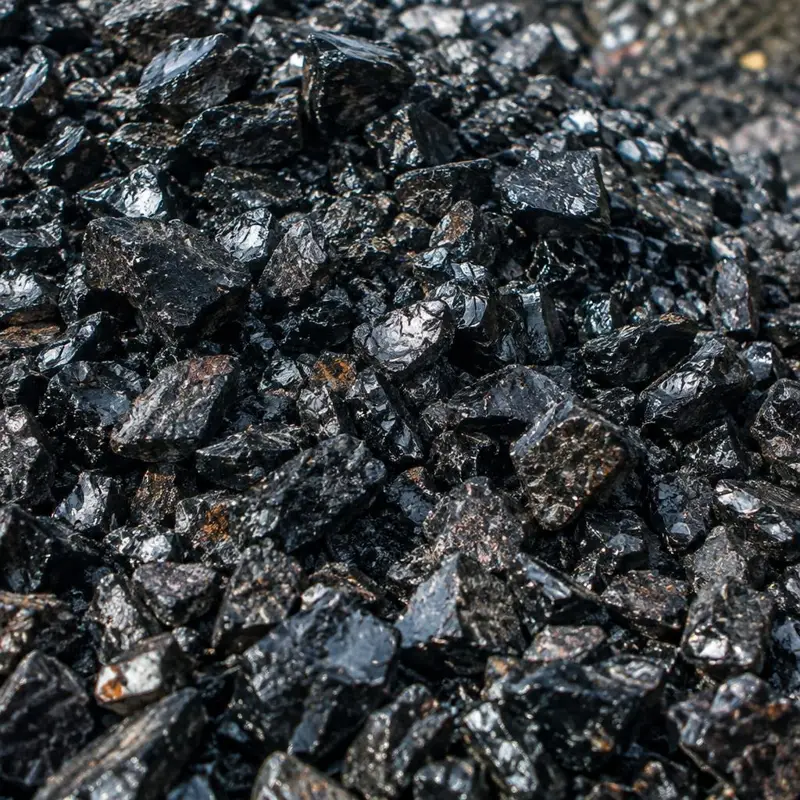
Why residual copper matters most
Most of a slag's weight is iron silicate with no value. The copper locked inside is what pays for collection, freight and processing.
Converter slag and secondary smelting slag usually carry more copper than discard slag from a primary furnace.
Metallic copper vs oxide copper
Visible copper prills can often be recovered by physical separation. Oxide copper dissolved in the slag needs smelting.
An assay that separates metallic and total copper gives a clearer evaluation.
Moisture in granulated slag
Water-granulated slag stored in the open absorbs rain. You pay freight on that water, and it adds no copper.
Covered storage before dispatch protects your evaluation.
Lot size and consistency
A large, consistent stream allows a buyer to plan processing. That often helps the evaluation of each lot.
FAQ
What copper content makes slag worth selling?
It depends on the slag type, quantity and freight. Share an assay and we will tell you whether an offer is possible.
Do I need an assay before contacting a buyer?
It helps, but it is not required. Photos and source details are enough to start.
Is copper slag hazardous?
Classification depends on composition and applicable rules. Ask us about your specific stream.
Related